
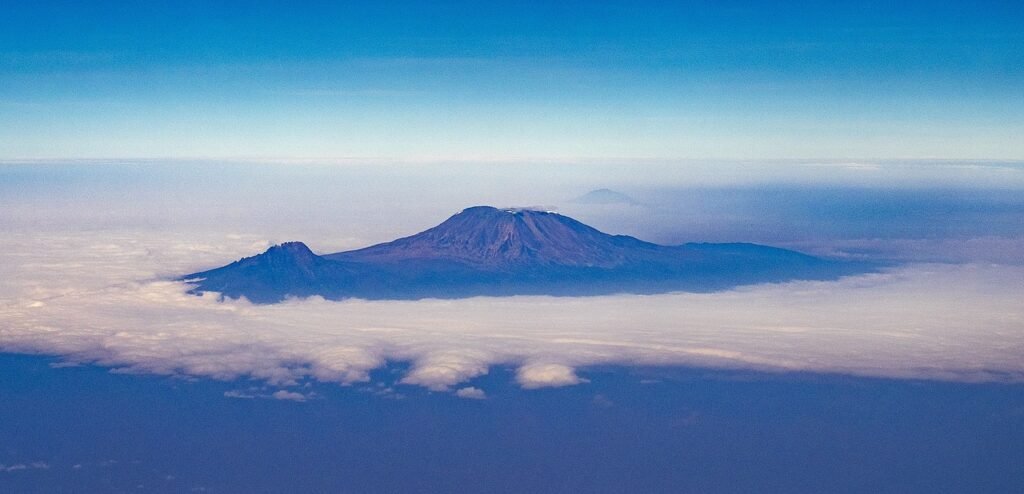
Best Time to Climb Mount Kilimanjaro
Mount Kilimanjaro, Africa’s tallest peak, can be climbed year-round, but timing is crucial for a successful and enjoyable trek. Choosing the right season improves weather conditions, trail safety, and summit success.
Optimal Climbing Seasons
- January – Mid March: Warm and dry conditions dominate this period. Trails are less crowded, making it perfect for climbers seeking a quieter adventure. Wildlife and lush greenery are abundant in the lower rainforest zones, and alpine landscapes are clear and accessible.
- June – October: The most popular climbing season. Dry weather ensures firm, stable trails and excellent visibility for breathtaking summit views. Daytime temperatures are mild, while nights are cold at high altitudes. This period also coincides with peak tourist activity, so planning and booking early is recommended.
- Rainy Seasons to Avoid: March–May (long rains) and November (short rains). Trails can become muddy and slippery, increasing the difficulty of the climb and reducing summit chances. Visibility at the summit may also be limited due to clouds and rainfall.
Tips for a Successful Climb
- Start summit attempts around midnight to reach the top for sunrise, maximizing visibility and minimizing cloud cover.
- Acclimatize properly by spending 6–8 days on longer routes such as Lemosho or Machame to avoid altitude sickness.
- Wear layered clothing to handle diverse climates—from tropical rainforest to alpine desert and icy summit conditions.
- Travel with licensed guides and support staff for safety, logistics, and expert advice on pacing.
- Stay hydrated and maintain a slow, steady pace during the ascent to increase summit success.
- Carry lightweight trekking poles to help with balance and reduce knee strain on steep sections.
Additional Considerations
Even during dry seasons, weather on Kilimanjaro is unpredictable. Afternoon storms are common in the lower slopes, and summit temperatures can drop below -7°C (19°F). Planning for flexible itineraries, proper gear, and sufficient rest days enhances the overall experience. Combining Kilimanjaro trekking with nearby safari adventures creates a full Tanzanian luxury experience.
Climbing Mount Kilimanjaro is a once-in-a-lifetime experience. Choose the optimal season, prepare carefully, and let Safaride Explores guide you on an unforgettable adventure to Africa’s roof.