Discover Ngorongoro Crater: Africa’s Wildlife Wonderland

Ngorongoro Crater, a UNESCO World Heritage Site in northern Tanzania, is the world’s largest intact volcanic caldera. Its lush grasslands, swamps, and forests host an incredible variety of wildlife, including lions, elephants, rhinos, and zebras, making it a must-visit destination for unforgettable safaris.

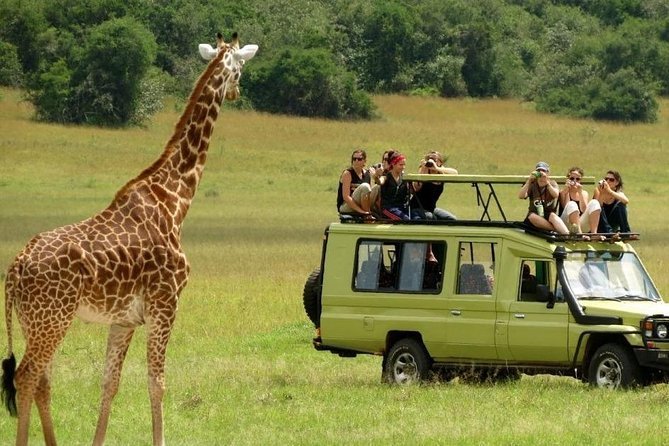
Welcome to Ngorongoro Crater

The Ngorongoro Crater, a UNESCO World Heritage Site in northern Tanzania, is the world’s largest inactive volcanic caldera. Covering 260 km², it shelters abundant wildlife including the “Big Five,” lush grasslands, swamps, and a spectacular scenic backdrop, offering unforgettable safari experiences.

Highlights

Wildlife Diversity

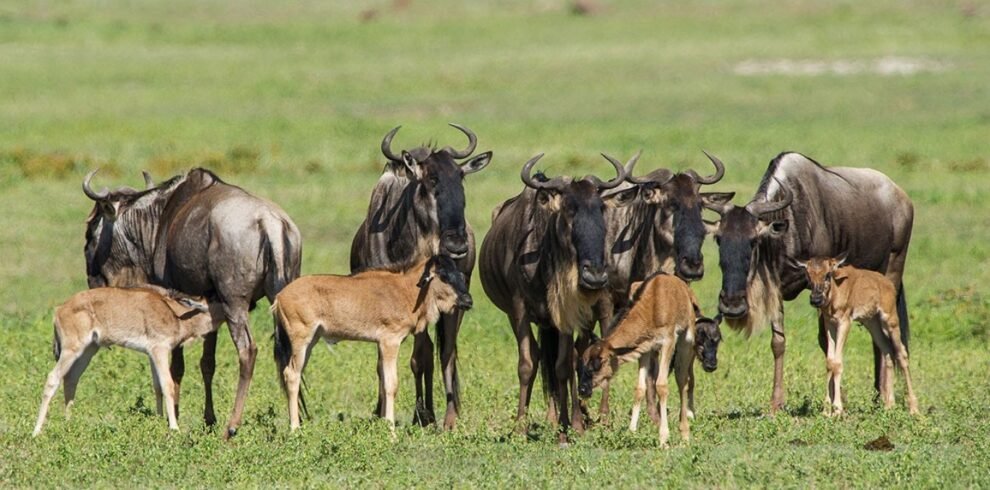
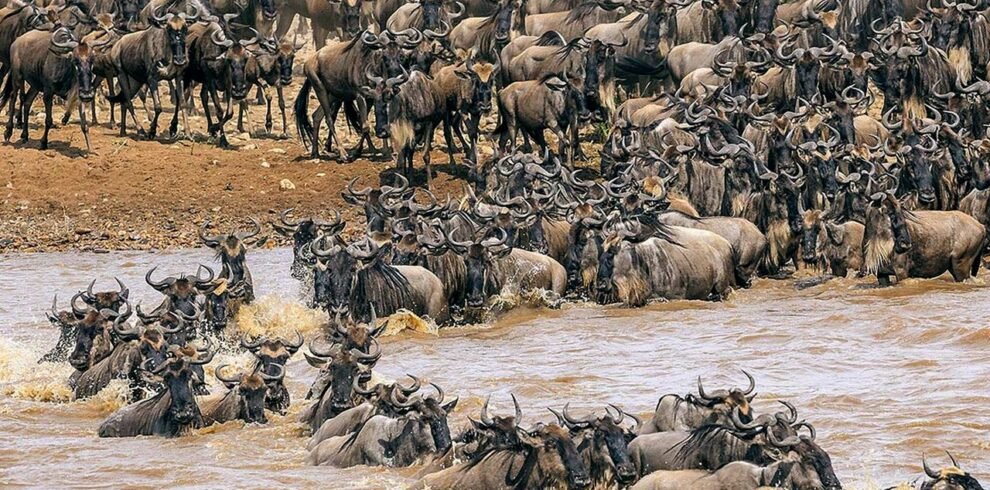
Ngorongoro Crater is home to lions, elephants, rhinos, buffaloes, leopards, zebras, wildebeest, and numerous bird species, making it a must-visit safari destination.

Scenic Landscapes

Rolling grasslands, crater floor lakes, and dramatic escarpments provide breathtaking panoramas perfect for photography and nature appreciation.

Big Five Sightings

The crater provides excellent chances to spot the Big Five in one day, with lions, elephants, buffaloes, rhinos, and leopards present in the ecosystem.

Birdlife

Crater lakes and swamps attract hundreds of bird species, including flamingos, storks, eagles, and migratory birds, making it ideal for birdwatching enthusiasts.

Activities

Game Drives

Guided drives across the crater floor allow visitors to experience wildlife up close in their natural habitat with breathtaking scenery.

Walking Tours

Professional guides offer short bush walks along the crater rim or near the floor for tracking, birdwatching, and plant identification.

Cultural Visits

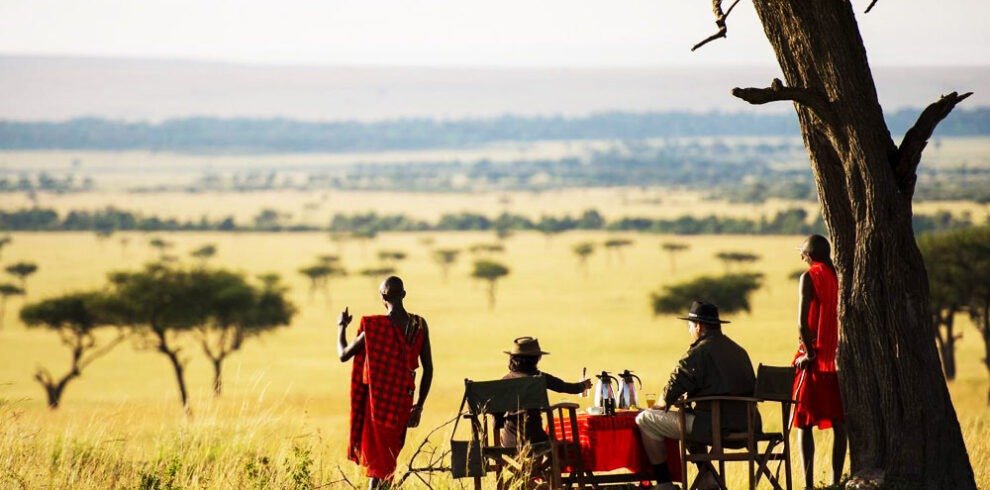
Visits to the Maasai villages around the crater offer insight into traditional lifestyles, crafts, and cultural heritage.

Accommodations

Lodges & Camps

Luxury lodges and eco-camps along the rim offer spectacular views, comfort, and quick access to the crater for early safari drives.

Budget-Friendly Options

Affordable tented camps and lodges in nearby towns provide comfortable stays for budget-conscious travelers.

Travel Info & Best Time

Ngorongoro Crater is approximately 3–4 hours from Arusha by road. Dry season (June–October) is best for wildlife viewing and clear skies, while wet season (December–March) brings lush landscapes and migratory birds.