Explore Lake Manyara: Tanzania’s Scenic Wildlife Haven
Lake Manyara National Park is a stunning wildlife sanctuary in northern Tanzania, famous for its tree-climbing lions, vast flamingo-filled lake, diverse bird species, and rich landscapes. From lush forests to alkaline waters, it offers an unforgettable safari experience in a compact, scenic setting.

Welcome to Lake Manyara National Park
Lake Manyara National Park in northern Tanzania spans 330 km² of diverse habitats including acacia woodlands, groundwater forests, swamps, and the shallow soda lake. Known for its tree-climbing lions, flamingos, and abundant birdlife, the park offers a unique safari experience close to Arusha and Ngorongoro.
Highlights
Tree-Climbing Lions
Unique to Lake Manyara, these lions often rest on acacia branches, creating incredible photographic opportunities and unforgettable wildlife experiences.
Flamingos & Birdlife
Hundreds of flamingos turn the soda lake pink during migration seasons. Over 400 bird species make Lake Manyara a paradise for birdwatchers.
Wildlife Variety
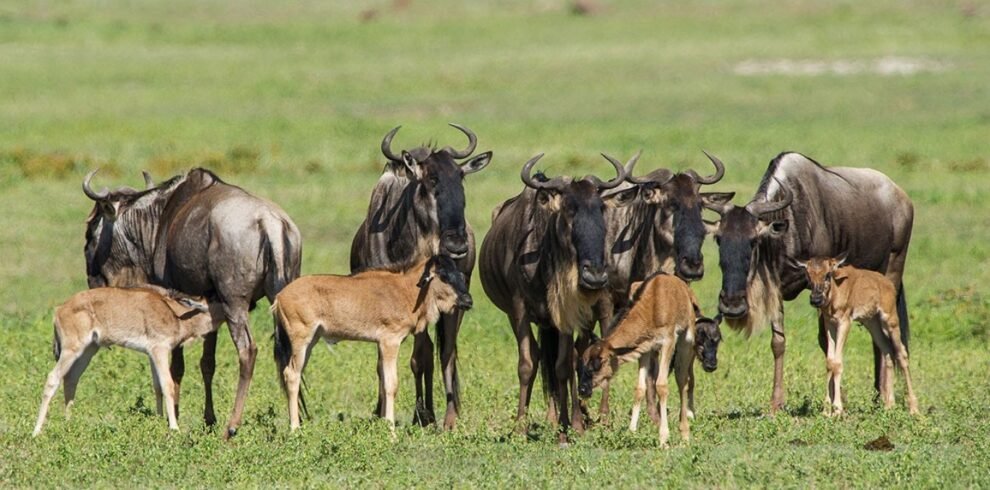
Elephants, giraffes, zebras, hippos, baboons, and many antelope species inhabit the park, offering diverse wildlife encounters in a small area.
Scenic Landscapes
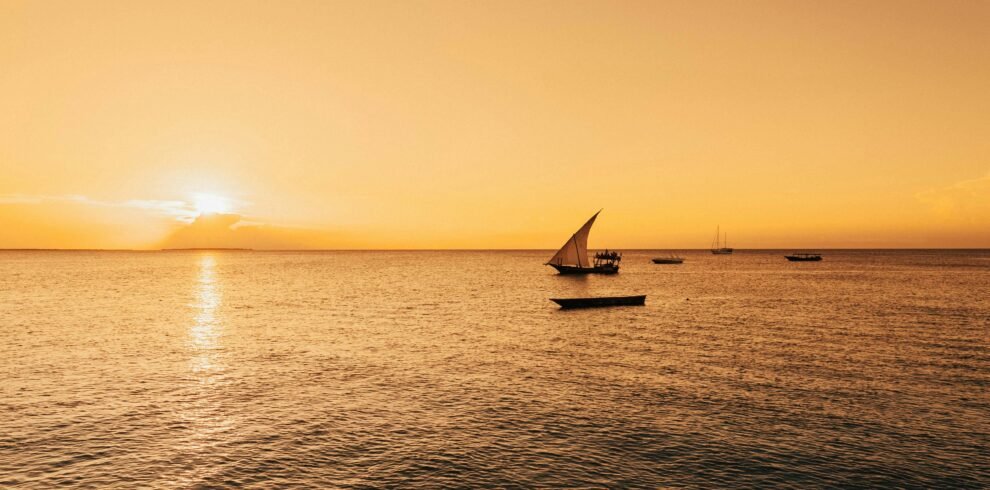
Rolling plains, dense forests, and the soda lake create dramatic scenery, perfect for photography, sunset views, and nature appreciation.
Activities
Game Drives
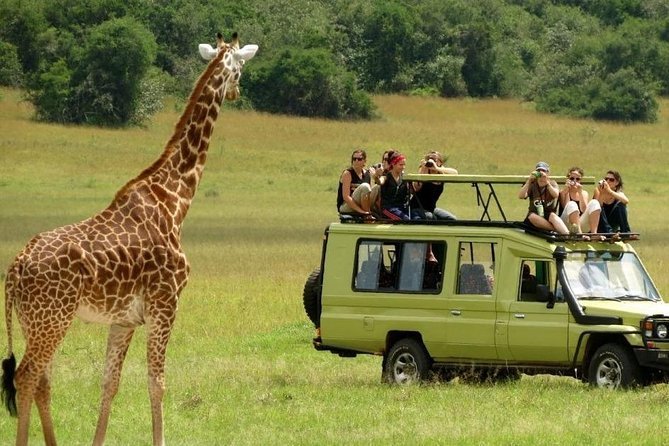
Morning and afternoon drives provide close encounters with tree-climbing lions, elephants, and other wildlife across varied habitats.
Birdwatching
Explore the rich birdlife along the lake and forest areas, spotting flamingos, storks, herons, and numerous endemic species.
Accommodations
Lodges & Camps
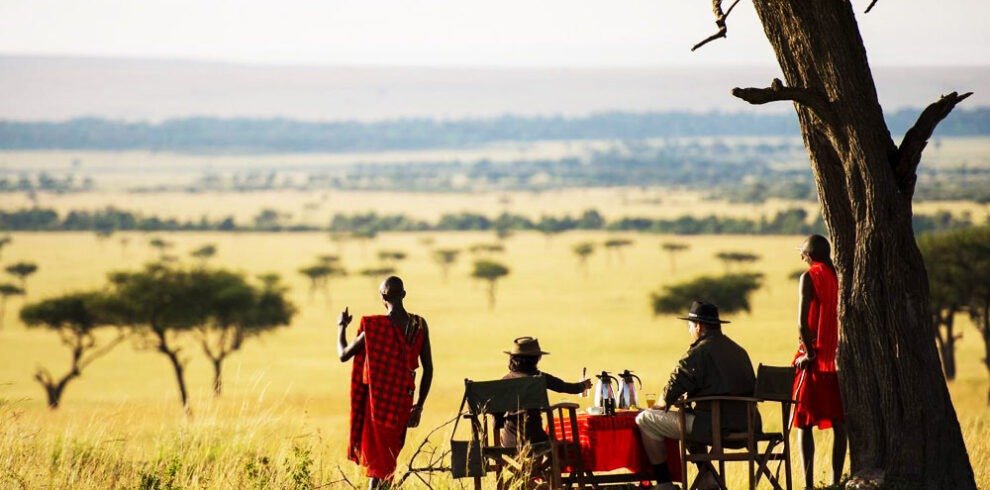
Lake Manyara offers luxury lodges and eco-camps with stunning views of the lake, forests, and wildlife areas.
Budget-Friendly Options
Affordable tented camps and lodges near the park entrance provide comfortable stays for all travelers.
Travel Info & Best Time
Lake Manyara is approximately 2–3 hours by road from Arusha. Dry season (June–October) is ideal for wildlife viewing and clear skies, while wet season (December–March) brings lush greenery, flamingo flocks, and fewer tourists.